Korean Bibimbap
Highlighted under: World Kitchen
Experience the vibrant flavors of Korea with this traditional Bibimbap recipe, a colorful and nutritious mixed rice dish.
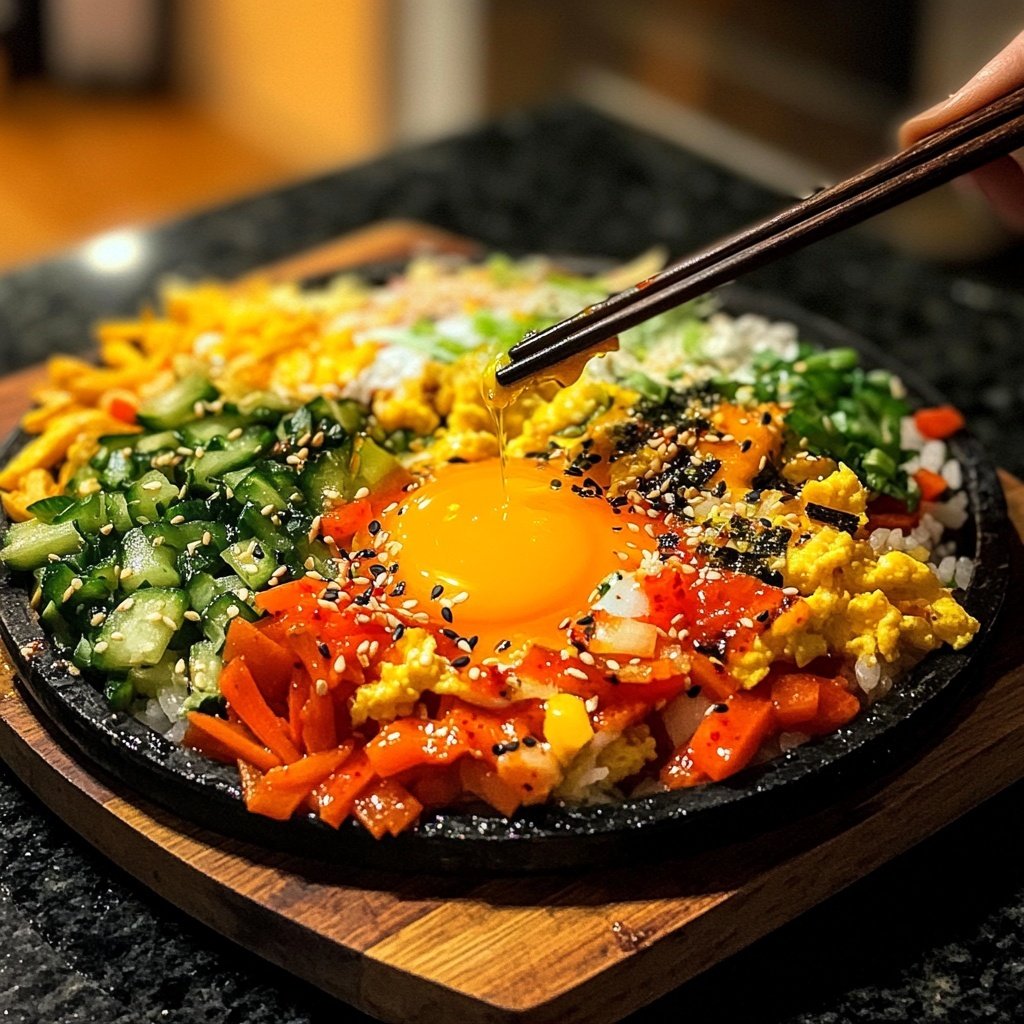
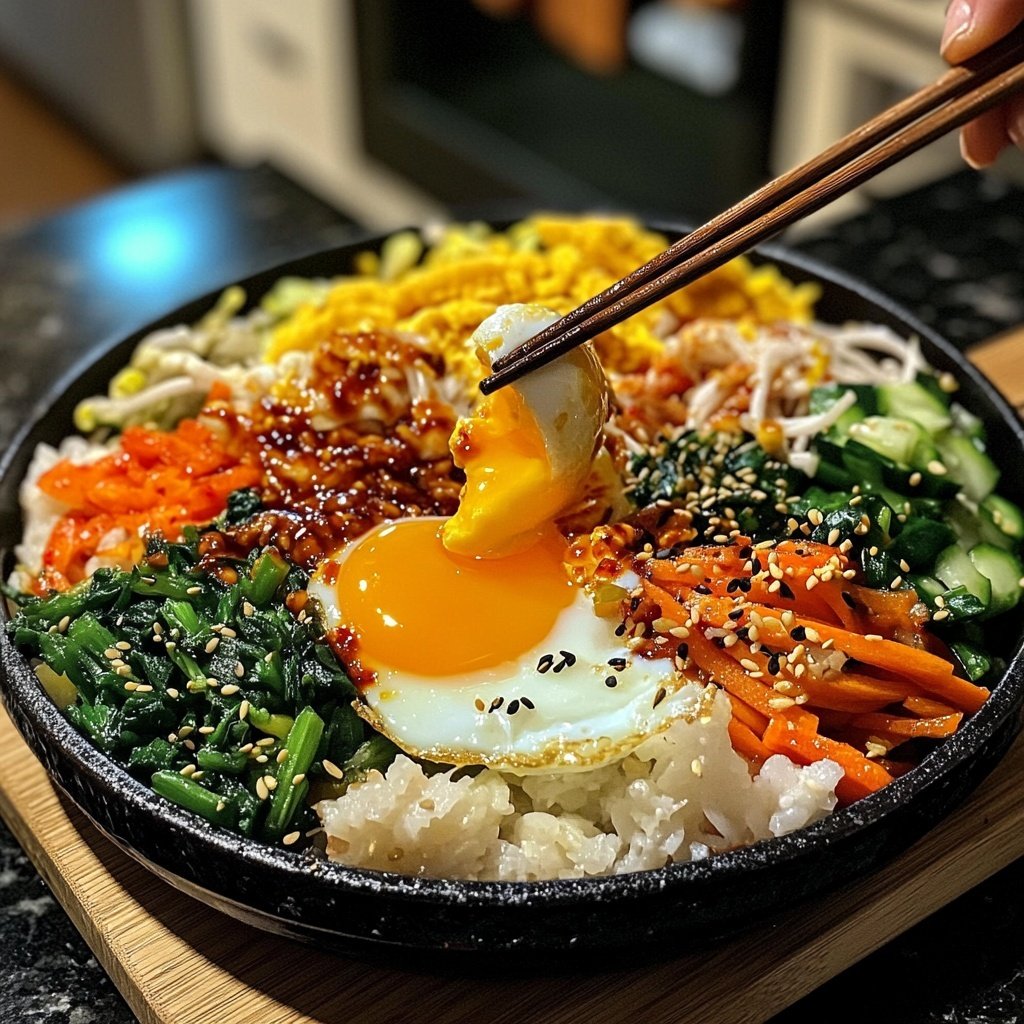
Korean Bibimbap is not just a meal; it's a delightful experience. Originating from Korea, this dish combines various ingredients and flavors into a harmonious bowl of goodness. The vibrant colors and textures make it visually appealing, while each bite delivers a burst of flavors.
Why You'll Love This Recipe
- A beautiful medley of fresh vegetables and proteins
- Perfectly balanced with a kick of gochujang sauce
- Customizable to suit your dietary preferences
The Heart of Bibimbap
Bibimbap, translating to 'mixed rice,' is more than just a meal; it’s a culinary experience that reflects the essence of Korean cooking. Each ingredient is chosen not only for its flavor but also for its texture and color, creating a visually stunning plate that is almost too beautiful to eat. This dish celebrates balance and harmony, showcasing a variety of vegetables and proteins that work together to create a satisfying and nutritious meal.
The traditional preparation of Bibimbap involves meticulously arranging each ingredient over the rice, allowing diners to appreciate the vibrant colors and fresh aromas. The act of mixing it all together before eating symbolizes unity and balance, making it a perfect dish for sharing and enjoying with family and friends. Whether you choose to prepare it for a special occasion or a casual weeknight dinner, Bibimbap is sure to impress.
Customizing Your Bibimbap
One of the greatest joys of making Bibimbap is the endless possibilities for customization. While the classic recipe calls for specific vegetables, feel free to swap in your favorites or whatever you have on hand. Think bell peppers, mushrooms, or even sweet potatoes for a unique twist. You can also adjust the protein, using tofu or chicken instead of beef, making it suitable for various dietary preferences or restrictions.
The sauce, gochujang, provides a signature spicy kick, but you can control the heat level by adjusting the amount used or even substituting it with a milder sauce if preferred. Don’t shy away from experimenting with different textures and flavors to create a dish that resonates with your personal taste. The beauty of Bibimbap lies in its versatility, making it a fantastic choice for any palate.
Nutritional Benefits
Bibimbap is not only delicious but also packed with nutritional benefits. The combination of fresh vegetables provides a wealth of vitamins, minerals, and antioxidants, contributing to overall health and well-being. Spinach, for example, is rich in iron and vitamins A and C, while carrots are an excellent source of beta-carotene, which supports eye health.
Moreover, the dish can be easily adjusted to be vegetarian or vegan, ensuring that everyone can enjoy it. By incorporating more plant-based proteins, such as tofu or lentils, you can create a hearty meal that is both satisfying and nourishing. Eating a well-balanced dish like Bibimbap promotes a healthy lifestyle while allowing you to indulge in delightful flavors.
Ingredients
For the Bibimbap
- 2 cups of cooked short-grain rice
- 1 cup of spinach, blanched
- 1 carrot, julienned
- 1 zucchini, julienned
- 1 cup of bean sprouts, blanched
- 4 eggs
- 4 tablespoons of gochujang (Korean chili paste)
- 1 tablespoon of sesame oil
- Sesame seeds for garnish
- Salt to taste
For the Beef (optional)
- 1 cup of ground beef
- 2 tablespoons of soy sauce
- 1 tablespoon of sugar
- 1 tablespoon of minced garlic
- 1 teaspoon of sesame oil
- Salt and pepper to taste
Feel free to customize your Bibimbap with your favorite vegetables or proteins!
Instructions
Prepare the Rice
Cook the short-grain rice according to package instructions and set aside.
Cook the Beef (if using)
In a pan, combine ground beef, soy sauce, sugar, minced garlic, sesame oil, salt, and pepper. Cook over medium heat until browned and fully cooked.
Sauté the Vegetables
In a separate pan, lightly sauté the julienned carrot and zucchini until tender. Season with a pinch of salt.
Fry the Eggs
Fry the eggs sunny-side up, keeping the yolks runny.
Assemble the Bibimbap
In a bowl, layer the cooked rice, blanched spinach, sautéed carrots, zucchini, and bean sprouts. Top with the cooked beef (if using) and a fried egg. Drizzle with sesame oil and gochujang. Garnish with sesame seeds.
Serve
Mix all the ingredients together before eating. Enjoy your homemade Korean Bibimbap!
Mix well for a perfect blend of flavors!
Pro Tips
- Feel free to add other toppings like kimchi, avocado, or tofu for a vegetarian option.
Tips for Perfect Bibimbap
To achieve the perfect texture for your rice, it's essential to use short-grain rice, which is stickier than long-grain varieties. This stickiness helps the rice hold together, making it easier to mix with the other ingredients. If you're short on time, consider using a rice cooker for a hassle-free cooking experience, ensuring perfectly cooked rice every time.
When blanching vegetables like spinach and bean sprouts, be sure to quickly plunge them into ice water after cooking. This method helps preserve their vibrant colors and crisp textures, making your Bibimbap not only tasty but visually appealing. Always season your vegetables lightly; the gochujang sauce will add plenty of flavor.
Serving Suggestions
Bibimbap is best enjoyed fresh, but you can also prepare components ahead of time for a quick meal. Store the cooked rice and prepared vegetables in separate containers in the refrigerator for up to three days. When you're ready to eat, simply reheat the rice and vegetables, fry a fresh egg, and assemble your Bibimbap in minutes.
For an authentic dining experience, serve your Bibimbap in a hot stone bowl (dolsot). This method creates a crispy layer of rice at the bottom, enhancing the texture and flavor. Pair your Bibimbap with traditional Korean side dishes, called banchan, for a complete meal that showcases the rich culinary heritage of Korea.
Questions About Recipes
→ Can I make Bibimbap vegetarian?
Absolutely! Just skip the beef and add more vegetables or tofu.
→ What other vegetables can I use?
You can use mushrooms, radishes, or any seasonal vegetables you prefer.
→ Is Bibimbap spicy?
It can be! The level of spiciness depends on how much gochujang you add.
→ How do I store leftovers?
Store leftovers in an airtight container in the fridge for up to 3 days. Reheat before serving.
Korean Bibimbap
Created by: Jessamine Ford
Recipe Type: World Kitchen
Skill Level: Intermediate
Final Quantity: 4 servings
What You'll Need
For the Bibimbap
- 2 cups of cooked short-grain rice
- 1 cup of spinach, blanched
- 1 carrot, julienned
- 1 zucchini, julienned
- 1 cup of bean sprouts, blanched
- 4 eggs
- 4 tablespoons of gochujang (Korean chili paste)
- 1 tablespoon of sesame oil
- Sesame seeds for garnish
- Salt to taste
For the Beef (optional)
- 1 cup of ground beef
- 2 tablespoons of soy sauce
- 1 tablespoon of sugar
- 1 tablespoon of minced garlic
- 1 teaspoon of sesame oil
- Salt and pepper to taste
How-To Steps
Cook the short-grain rice according to package instructions and set aside.
In a pan, combine ground beef, soy sauce, sugar, minced garlic, sesame oil, salt, and pepper. Cook over medium heat until browned and fully cooked.
In a separate pan, lightly sauté the julienned carrot and zucchini until tender. Season with a pinch of salt.
Fry the eggs sunny-side up, keeping the yolks runny.
In a bowl, layer the cooked rice, blanched spinach, sautéed carrots, zucchini, and bean sprouts. Top with the cooked beef (if using) and a fried egg. Drizzle with sesame oil and gochujang. Garnish with sesame seeds.
Mix all the ingredients together before eating. Enjoy your homemade Korean Bibimbap!
Extra Tips
- Feel free to add other toppings like kimchi, avocado, or tofu for a vegetarian option.
Nutritional Breakdown (Per Serving)
- Calories: 500 kcal
- Total Fat: 20g
- Saturated Fat: 4g
- Cholesterol: 210mg
- Sodium: 600mg
- Total Carbohydrates: 60g
- Dietary Fiber: 5g
- Sugars: 5g
- Protein: 18g